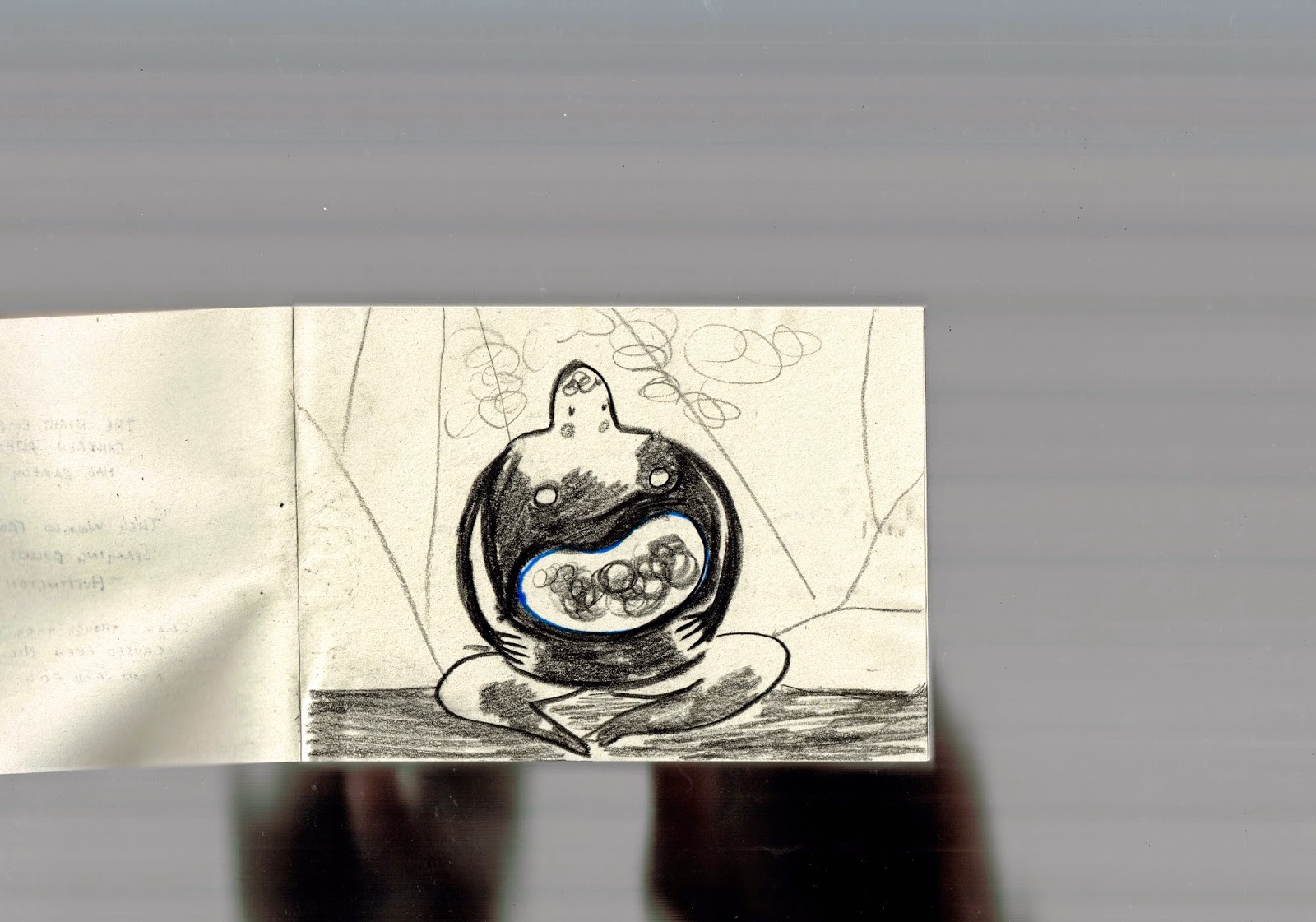
I've been trying to get some inspiration for the manifesto and found Tim Spooner's work, I like the textures and odd shapes. The way he photographs 3-D work using a scanner is really interesting too!
Thursday, 26 February 2015
Artist Research - Tim Spooner
I've been trying to get some inspiration for the manifesto and found Tim Spooner's work, I like the textures and odd shapes. The way he photographs 3-D work using a scanner is really interesting too!
Sunday, 22 February 2015
Animation!
Our finished animation! It turned out pretty well, some of the animation is a little jerky and working in a group is hard but overall we had fun making it. Nobody killed anyone.
Saturday, 14 February 2015
Some kind of weird dog
Here are some images from the making process:
(There are more to come...)
I also made it poop confetti:
The looks on their faces say it all:
Images from the parade!
Monday, 9 February 2015
Costume Project Research
My character design is almost complete. I am quite mammalian, in that I am a mammal but also that I'm sort of hairy and cuddly, so I wanted to combine aspects of mammals with more microscopic creatures.
My 5 primary needs are the following:
Naked mole rats are fairly disgusting creatures but actually represent my character pretty well, burrowing and nesting are things my creature will need to do to survive. They're also quite blind and that ties in well with my need for glasses.
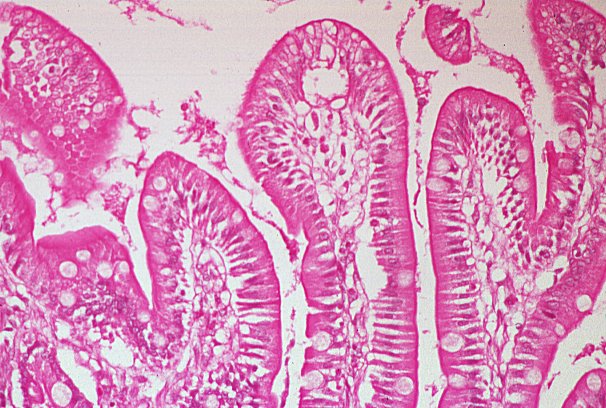
This image shows some intestinal cells. The cells absorb nutrients using their long finger like fronds, catching any food floating by. This links to my small hoarding habit (the reason for bin bags being included in my list!) and also that I have very long fingers.
I love fried eggs! My big Tachen Book of Symbols says that eggs are highly revered in most societies. Not only are they very nutritious but often they are compared with the sun: round, life-giving, and yellow. I will give my character egg boobs, breasts primary function is to give milk to infants, it's a way of showing my nurturing side.
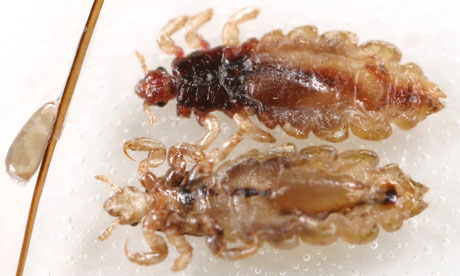
Head lice are weird creatures, associated with hair and dirt and unkemptness. I like the idea of my character adopting little parasites to help them clean up the environment they live in.
I'm struggling a little with band-aids and glasses, would it be too human to just have the character wearing them? I will consider this over the next few days.
As a side note, I also have an excellent book on pre-Columbian art that I have been perusing, unfortunately I can't upload images from the book but I shall bring it to crits and tutorials. The styles of the costumes in the book are incredible and worth referencing in my work.
My 5 primary needs are the following:
- Bin bags
- Yellow
- Band-aids
- Glasses
- Space
This image shows some intestinal cells. The cells absorb nutrients using their long finger like fronds, catching any food floating by. This links to my small hoarding habit (the reason for bin bags being included in my list!) and also that I have very long fingers.
I love fried eggs! My big Tachen Book of Symbols says that eggs are highly revered in most societies. Not only are they very nutritious but often they are compared with the sun: round, life-giving, and yellow. I will give my character egg boobs, breasts primary function is to give milk to infants, it's a way of showing my nurturing side.
Head lice are weird creatures, associated with hair and dirt and unkemptness. I like the idea of my character adopting little parasites to help them clean up the environment they live in.
I'm struggling a little with band-aids and glasses, would it be too human to just have the character wearing them? I will consider this over the next few days.
As a side note, I also have an excellent book on pre-Columbian art that I have been perusing, unfortunately I can't upload images from the book but I shall bring it to crits and tutorials. The styles of the costumes in the book are incredible and worth referencing in my work.
Thursday, 29 January 2015
Subject/Object - Making of the Final Piece
As I had recently done a digital media workshop I felt it would be a good idea to use what I learnt in this project. I want to recreate a collage but digitally, so I used Adobe Illustrator. These screenshots show the different ideas I went through:
The final piece ended up looking like this:
This has been a fun and challenging project in terms of materials, I've really enjoyed pushing myself this way.
Sunday, 18 January 2015
Winter Solstice
For this project we've been asked to create a campaign poster relating to an article from the primer work. The article I chose is about winter solstice and the science of time. For the research stage of the project I'm looking at how and why different cultures celebrated (or feared) the solstice.
Jul/Yule
'Yule' comes from the Anglo-Saxon word 'iul' meaning wheel, it marks the rebirth of the Sun and the beginning of the New Year, it's name refers to the cyclical nature of time and the seasons. This ancient tradition has combined with many of the Christian religious celebrations brought to Europe.
Wild Hunt
Related to the celebration of Jul is this ancient folk myth told through Northern Europe, it is sometimes referred to as Odin's Hunt. It is essentially a ghost tale, something to scare naughty children on dark and stormy winter nights. Traditionally the hunt starts on October 31st and continues on until the New Year, when the days get longer. It is an ill omen to see the hunt.
Sköll
Another myth of winter solstice involves the warg (or wolf) Sköll. The warg spends the year watching the Sun goddess, Sól, flying through the sky on her chariot. As the year progresses her horses get more and more tired and flow lower and lower. In some versions of the myth, on winter solstice Sköll swallows Sól and the world is plunged into darkness (in countries such as Iceland it is not uncommon for days to occur without sunlight) until other gods rescue her and restore the light (usually Thor and Odin). At Ragnarök, Sköll and his brother Haní will succeed in eating the Sun and Moon marking the end of the world. This did not mean a disastrous apocalypse to the Vikings so much as a change in gods, the old hierarchy being destroyed and a new one replacing it. It fits in with the themes of rejuvenation seen throughout solstice celebrations.
Saturnalia
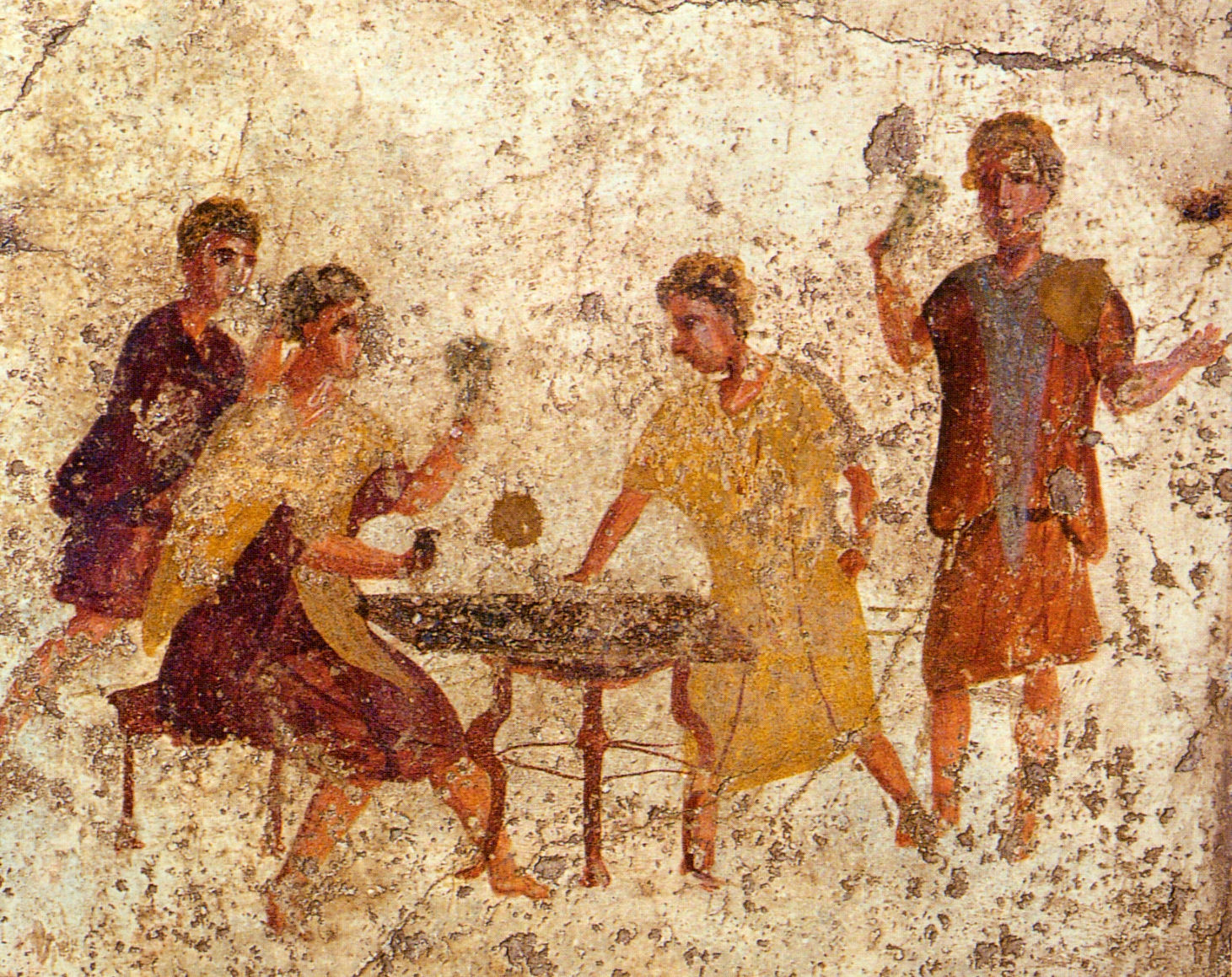
Saturnalia is the Roman winter feast in honour of the god Saturn, a god of time + agriculture. In Saturnalia roles are reversed and Roman social norms are foregone, slaves are permitted to eat with masters, good times are had by all. It began on December 17th and was then expanded to the 23rd to allow for even more feasting, drinking and gambling.
Yaldā
This Iranian festival is celebrated on the longest night of the year. Family and friends come together to eat, drink, and read poetry to each other. In particular Hafez is read. Pomegranates are significant to the feast, their red colour echoes the colour of dawn.
Dōngzhì
Jul/Yule
'Yule' comes from the Anglo-Saxon word 'iul' meaning wheel, it marks the rebirth of the Sun and the beginning of the New Year, it's name refers to the cyclical nature of time and the seasons. This ancient tradition has combined with many of the Christian religious celebrations brought to Europe.
Wild Hunt
Related to the celebration of Jul is this ancient folk myth told through Northern Europe, it is sometimes referred to as Odin's Hunt. It is essentially a ghost tale, something to scare naughty children on dark and stormy winter nights. Traditionally the hunt starts on October 31st and continues on until the New Year, when the days get longer. It is an ill omen to see the hunt.
Sköll
Another myth of winter solstice involves the warg (or wolf) Sköll. The warg spends the year watching the Sun goddess, Sól, flying through the sky on her chariot. As the year progresses her horses get more and more tired and flow lower and lower. In some versions of the myth, on winter solstice Sköll swallows Sól and the world is plunged into darkness (in countries such as Iceland it is not uncommon for days to occur without sunlight) until other gods rescue her and restore the light (usually Thor and Odin). At Ragnarök, Sköll and his brother Haní will succeed in eating the Sun and Moon marking the end of the world. This did not mean a disastrous apocalypse to the Vikings so much as a change in gods, the old hierarchy being destroyed and a new one replacing it. It fits in with the themes of rejuvenation seen throughout solstice celebrations.
Saturnalia
Saturnalia is the Roman winter feast in honour of the god Saturn, a god of time + agriculture. In Saturnalia roles are reversed and Roman social norms are foregone, slaves are permitted to eat with masters, good times are had by all. It began on December 17th and was then expanded to the 23rd to allow for even more feasting, drinking and gambling.
Yaldā
This Iranian festival is celebrated on the longest night of the year. Family and friends come together to eat, drink, and read poetry to each other. In particular Hafez is read. Pomegranates are significant to the feast, their red colour echoes the colour of dawn.
Dōngzhì
This is an East Asian celebration for winter solstice. It harks back to the yin and yang philosophy of cosmic harmony and balance, the solstice marks the beginning of longer days and the turning tide of positive energy. Traditionally dumplings are eaten as they are a nourishing food good for the winter months.
Sunday, 21 December 2014
A Week in the Headlines: 16th - 21st December
Peshawar
Mental Health Care for Pregnant People
Justice for George Stinney Jr.
Nigel Farage being Nigel Farage
Justice for Eric Garner
Winter Solstice
You can get daily updates on my Tumblr here.
Subscribe to:
Posts (Atom)